Selling a Home in Reston: Understand Association Covenants
August 13, 2026
August 13, 2026
Who actually has to approve your home sale in Reston? Most sellers assume the answer is simple: the buyer, the lender, maybe the title company. For homes covered by Reston Association covenants, there's a fourth party at that table, and it isn't optional. Reston Association has to review your property's exterior history as part of the resale disclosure process, and most sellers don't find out until an inspector is already standing in their side yard.
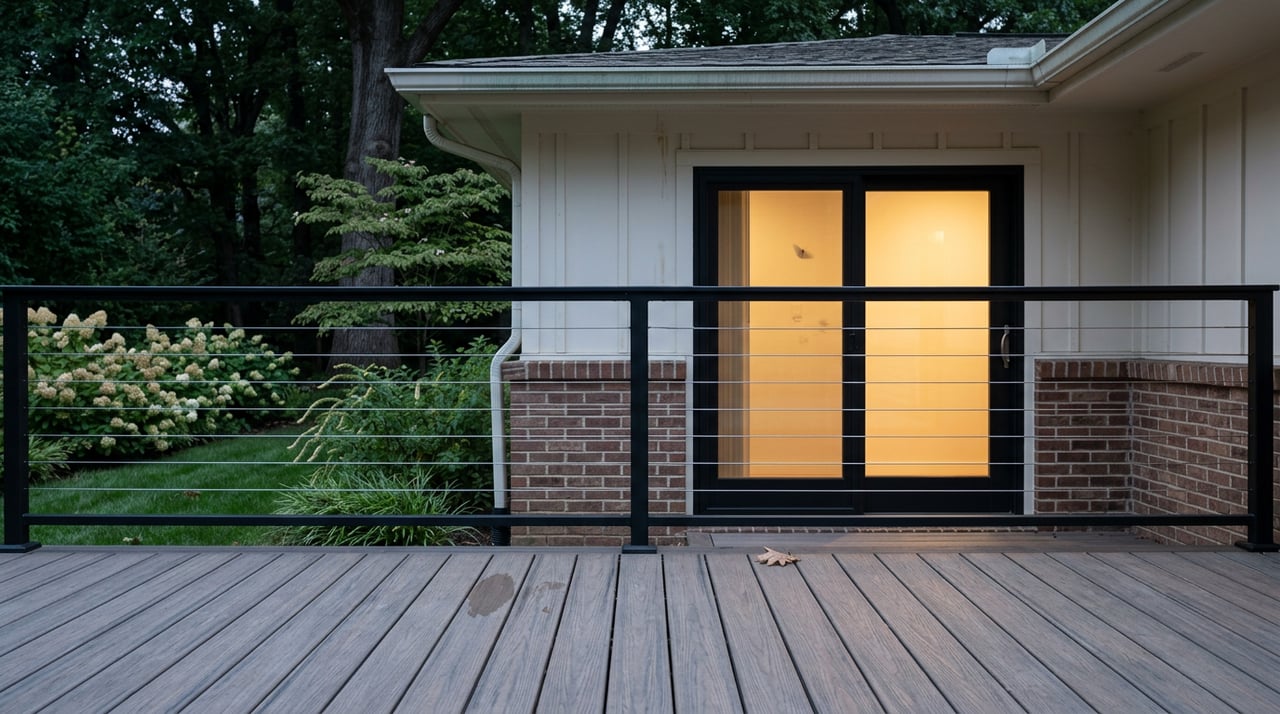
That's the piece of the Reston selling process that rarely makes it into generic HOA advice. It's not about dues being current. The Reston Association says most exterior alterations or additions require review and approval, so it matters whether the deck you added in 2019, the fence you replaced last spring, or the paint color you chose without checking first got the sign-off. If it didn't, that gap doesn't disappear when you list. It shows up in writing, in a document your buyer will read before they remove their contingencies.
Virginia's Property Owners' Association Act requires sellers in any HOA community to hand buyers a resale disclosure certificate before closing. In most Northern Virginia neighborhoods, that's a paperwork exercise: confirm the dues are paid, confirm there's no pending litigation, done. Reston Association's version of that certificate includes something most associations skip entirely: an actual exterior inspection of your lot performed by RA staff, checking for design or maintenance issues that don't match what was originally approved.
That distinction matters. A disclosure certificate that's purely financial can be turned around quickly. One that requires a physical walk of the property, cross-referenced against decades of design review files covering more than 22,000 residential units across the community, takes longer and may identify an exterior issue you did not know about.
Reston Association will send someone to walk your property and flag possible covenant issues before you list, at no charge, if you request it. Staff call it a pre-POAA inspection, which gives sellers an opportunity to address possible issues before ordering the disclosure package.
The Newport Shores Cluster Association explains that this inspection isn't a legal substitute for the official disclosure documents; it's a preview. Without it, sellers may not know whether changes to a shed, fence line, color, or solar array match what Reston's Design Review Board approved. Sellers who request it may have time to address small issues before they affect closing-week negotiations.
The Reston Association's resale-disclosure FAQ lists the delivery windows; for the standard package, the clock starts when payment is received.
| Document | Turnaround | Trigger |
|---|---|---|
| Standard resale disclosure package | 14 days | From date payment is received |
| Updated resale disclosure package | 10 days | From request submission |
| Financial update | 3 days | From request submission |
| Uniform mortgage questionnaire | 7 days | From request submission |
| Transfer fee, paid at settlement | $374 (2026) | One-time, due from the purchaser |
Fourteen days sounds manageable until you're stacking it against a buyer's financing contingency or a seller who assumed the package would be ready the same week they signed a listing agreement. If a covenant issue surfaces inside that packet, you're now negotiating a fix on top of an already tight clock, which is exactly why the free pre-listing inspection exists.
Reston's structure adds one more wrinkle. Many properties, particularly townhomes and smaller-lot single-family homes, belong to both Reston Association and a separate cluster or condominium association with its own recorded covenants and its own resale process. If you're selling in a cluster like Lakeport, Lakeport Cluster's resale-disclosure instructions require you to separately request disclosure documents from that cluster's management company, on top of the RA packet, because the Code of Virginia treats them as two distinct associations even though they govern the same address.
Newport Shores is a useful example of how this plays out in practice: the cluster's own resale certificate carries a $100 fee and a similar two-week delivery window, separate from anything RA charges. If your listing agent doesn't know to check whether your address sits inside a cluster, you can find out midway through a transaction that you need a document nobody ordered.
The mechanism that trips up sellers isn't sloppy paperwork. It's timing. Design Review Board approvals for straightforward, like-for-like projects typically move in one to three weeks. Anything that goes to a full DRB meeting, a new deck, a solar installation, an addition, generally takes four to eight weeks, and complex or revised applications can stretch to twelve weeks or more.
Now overlay that against a typical 30 to 45 day closing window. A seller who discovers during the disclosure process that a fence was installed without approval may find that issue coming up in closing-week negotiations. Reston's covenants staff performs these resale inspections specifically to disclose violations upon transfer of ownership.
Sellers spend most of their energy on price. In Reston, exterior records can also affect whether a closing happens on time. A well-priced home with an undocumented deck can face delays, while a competitively priced home with a clean covenants history can close without incident.
That's the piece of local knowledge that separates an agent who's closed deals inside RA's process from one who's only sold in neighborhoods where the HOA disclosure is a formality. Fifteen years of contract review and negotiation work the same way here as they do anywhere else: the goal is finding the problem before the other side's attorney does.
Does every home in Reston belong to Reston Association? No. Not every Reston address falls under RA covenants, so it's worth confirming your property's status early rather than assuming, especially if you're unsure whether your neighborhood has its own separate cluster association layered on top.
What if I already made a change without getting approval? Call Reston's Covenants Administration before you list. Staff can tell you whether the change needs retroactive review, and resolving it before a buyer sees it in the disclosure package is almost always simpler than negotiating around it mid-contract.
How far ahead of listing should I start this process? Given the 14-day disclosure window and the four-to-eight-week range for anything that needs a full Design Review Board meeting, most sellers are better served starting the pre-POAA inspection conversation a month or more before they plan to sign a listing agreement.
Reston's paperwork rewards sellers who plan for it and penalizes the ones who assume it works like every other HOA. If you're weighing a sale in Reston, or trying to figure out whether an old exterior project is going to show up in your disclosure packet, Jo & Co brings the same contract-level scrutiny to that process that a legal background and fifteen years of negotiation experience would suggest. Let's Connect before you list, not after the inspection finds something.
This article is general information, not legal, tax or financial advice. Consult a qualified professional about your situation.
Stay up to date on the latest real estate trends.

October 15, 2026
October 8, 2026
October 1, 2026

September 24, 2026

September 17, 2026

September 10, 2026
September 3, 2026

August 27, 2026
August 20, 2026
Jennifer has an easygoing disposition, making those around her feel instantly comfortable. Professional and personable, Jennifer makes the home-buying or home-selling experience a pleasant one.