What Living in Arlington VA Condos Really Feels Like
February 5, 2026
February 5, 2026
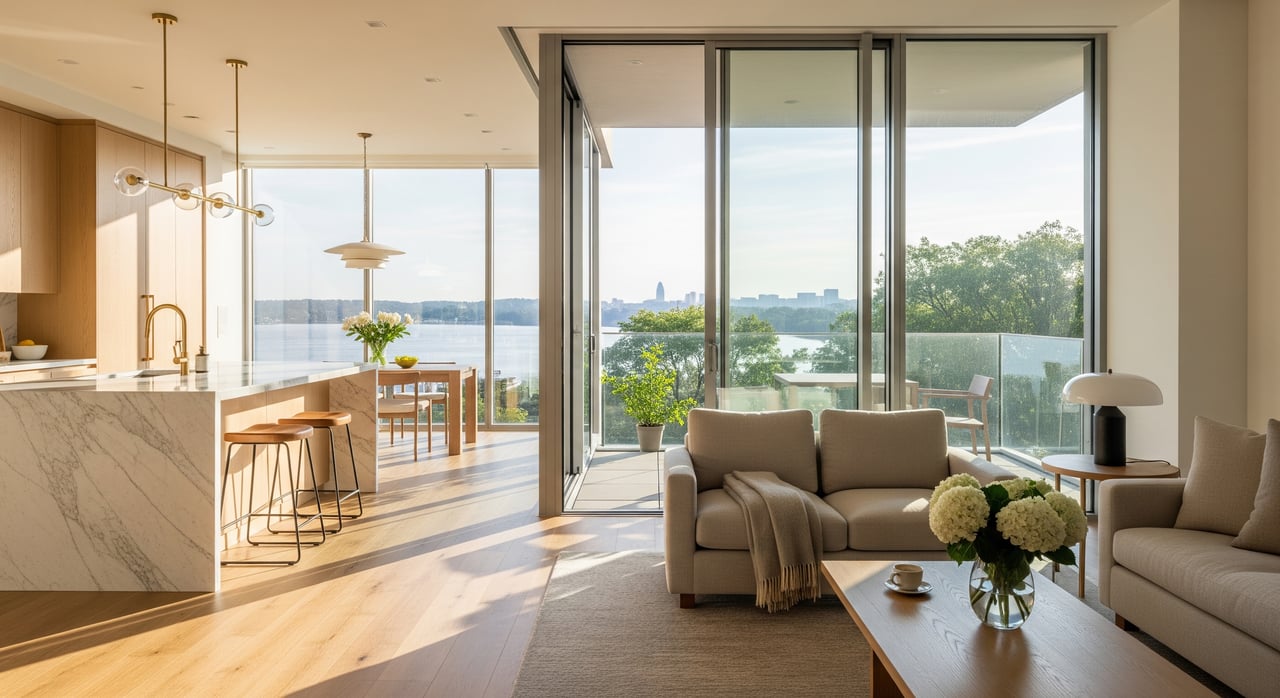
What if your morning started with a short walk for coffee, a quick train ride into DC, and an easy stop for groceries on your way home? If you’re weighing a condo in Ballston, Clarendon, or Courthouse, you want to picture the rhythm of your days, not just floor plans and finishes. In this guide, you’ll see how daily life actually flows in Arlington’s core corridor, from commutes to amenities to HOA realities. Let’s dive in.
Ballston, Clarendon, and Courthouse sit along Arlington’s Rosslyn–Ballston corridor, a string of walkable, mixed-use hubs in central Arlington County. You’ll find a dense mix of offices, restaurants, retail, and multiunit housing tied to Metrorail stations and major streets like Wilson Boulevard and Fairfax Drive. That blend is what gives the area its day-to-day convenience and energy.
Condo options range from newer high-amenity towers near the stations to older mid-rise conversions and townhouse-style communities a bit off the main arteries. The result is real variety in layouts, finishes, and HOA structures. Many buildings welcome pets, though rules and fees vary by association.
For broader context on how the county plans and supports these hubs, explore Arlington County’s resources on neighborhoods and planning at the official site for Arlington County.
If you value doing most errands on foot, this corridor delivers. The station areas are built for walking with continuous sidewalks, frequent cross streets, and retail packed along Wilson Boulevard and Fairfax Drive. Ballston Quarter anchors shopping and services in Ballston, while Clarendon and Courthouse offer clusters of coffee, fast-casual spots, and sit-down restaurants.
Full-service groceries and specialty markets are typically within a short walk of many buildings. Pharmacies, salons, dry cleaners, and convenience stores line the main streets, so you can fit quick errands into your commute or evening routine. For a big-picture feel of block-by-block walkability, scan neighborhood pages on Walk Score.
Large gyms and boutique studios are common here, and many buildings also include on-site fitness centers. You’ll see yoga, spin, and strength classes sprinkled along the retail corridors. Between meetings or after work, small pocket parks and public plazas give you a spot to catch some air.
If you prefer longer runs or rides, Arlington connects you to regional multi-use trails. Use the county’s maps to plan routes and find nearby parks through Arlington Parks & Recreation.
Daily travel in this part of Arlington is flexible. You can switch between rail, bus, biking, and driving depending on your destination and schedule.
Court House, Clarendon, Virginia Square–GMU, and Ballston–MU stations sit on Metrorail’s Orange Line, with transfers available to other lines for trips across the region. Many condo residents rely on Metro for downtown DC, federal campuses, and other employment centers. Check route maps and plan trips with WMATA.
Arlington Transit (ART) runs local routes that tie neighborhoods to Metro stations and nearby destinations. Regional buses and some employer shuttles add options for commuters headed to specific agencies or campuses. Find local route details and updates on ART and broader commuter programs via Arlington County Commuter Services.
Major arterials like I-66, Route 50, and the GW Parkway connect you to DC and the suburbs, but rush-hour traffic and parking costs often push weekday commuters toward transit. In dense areas, resident parking is usually garage-based and assigned by the building. Guest parking is limited and tightly managed, so clarify policies with the HOA before you buy if car access is critical.
Capital Bikeshare stations are common near transit and retail nodes. Protected lanes and multi-use trails make shorter trips practical by bike. For station locations and pricing, visit Capital Bikeshare.
Amenities shape your daily routine. Many corridor buildings offer an on-site fitness center, rooftop deck or terrace, resident lounge, and business or co-working space. Higher-amenity towers may have concierge service and secure package rooms. Bike storage and garage parking are common, and some newer buildings include pet-focused features like dog-wash stations or small dog runs.
Package deliveries are a daily reality in larger buildings. Where there’s a staffed front desk or dedicated package room, pickups are straightforward. Smaller associations may rely on locker systems or hallway deliveries, so factor that into your lifestyle and schedule.
Noise varies by block and building. Units directly on Wilson Boulevard or near active restaurant patios may experience evening noise. Higher floors and courtyard-facing units typically reduce street sound, and newer windows can help. Tour at different times of day to set expectations.
Condo association dues typically cover exterior maintenance, common-area utilities, building insurance, management fees, and reserves. The monthly cost and what is included vary widely based on age, amenities, and whether utilities like water or gas are bundled. Newer, high-amenity buildings often have higher dues to support services. Older associations sometimes carry lower dues but may have lighter reserves.
Rules matter. Review pet policies, rental restrictions, storage and locker fees, and guest parking procedures. Ask about the management structure, whether there is on-site staff or a third-party company, and how maintenance requests are handled. For building-level facts, you will rely on condo resale packets and official records. County property information is available through Arlington County.
Morning usually starts with a short walk to a coffee shop or your building’s lobby café. From many buildings, you can reach a station entrance within a few blocks. Metro moves most commuters efficiently into DC, while some choose to bike or use an employer shuttle.
Midday is convenient if you live nearby. You can grab lunch at fast-casual spots, run quick errands, or pick up a few groceries. Afternoon breaks often happen in pocket parks or public plazas.
After work, you might head to a group fitness class, meet friends on a rooftop, or walk a dog to a nearby green space. Dinner options are diverse and close by. On weekends, farmers markets, brunch corridors, and longer trail runs are popular, and the museums and waterfronts in DC are an easy trip by Metro or a short drive when traffic is lighter.
Plan for HOA dues, which vary by building and amenity level. Factor in utilities that are not included in dues, parking costs if you need an extra space, and storage locker fees if applicable. Commuters often budget for transit passes or pay-as-you-go fares on Metro and local buses. Compare fare options using WMATA, and include occasional rideshare or car-share expenses if you plan to be car-light.
Choose the corridor if you want a low-maintenance home, easy transit access, and an active neighborhood feel. You trade yard work and long drives for walkability, building amenities, and a shorter trip to urban destinations. If you own multiple cars or want more private outdoor space, confirm parking logistics and consider how often you will realistically use a vehicle.
Not sure which building or block fits your routine? A few guided tours can make the differences obvious. You’ll experience noise levels, commute comfort, and the feel of each hub at different times of day.
If you’re considering Ballston, Clarendon, or Courthouse, you deserve an advocate who knows the buildings, HOAs, and commute patterns inside and out. For careful counsel and a seamless search, connect with Jennifer Jo.
Stay up to date on the latest real estate trends.
October 8, 2026
October 1, 2026
September 24, 2026
September 17, 2026

September 10, 2026
September 3, 2026
August 27, 2026
August 20, 2026
August 13, 2026
Jennifer has an easygoing disposition, making those around her feel instantly comfortable. Professional and personable, Jennifer makes the home-buying or home-selling experience a pleasant one.