Ashburn New Construction vs Resale: Which Is Right for You?
December 4, 2025
December 4, 2025
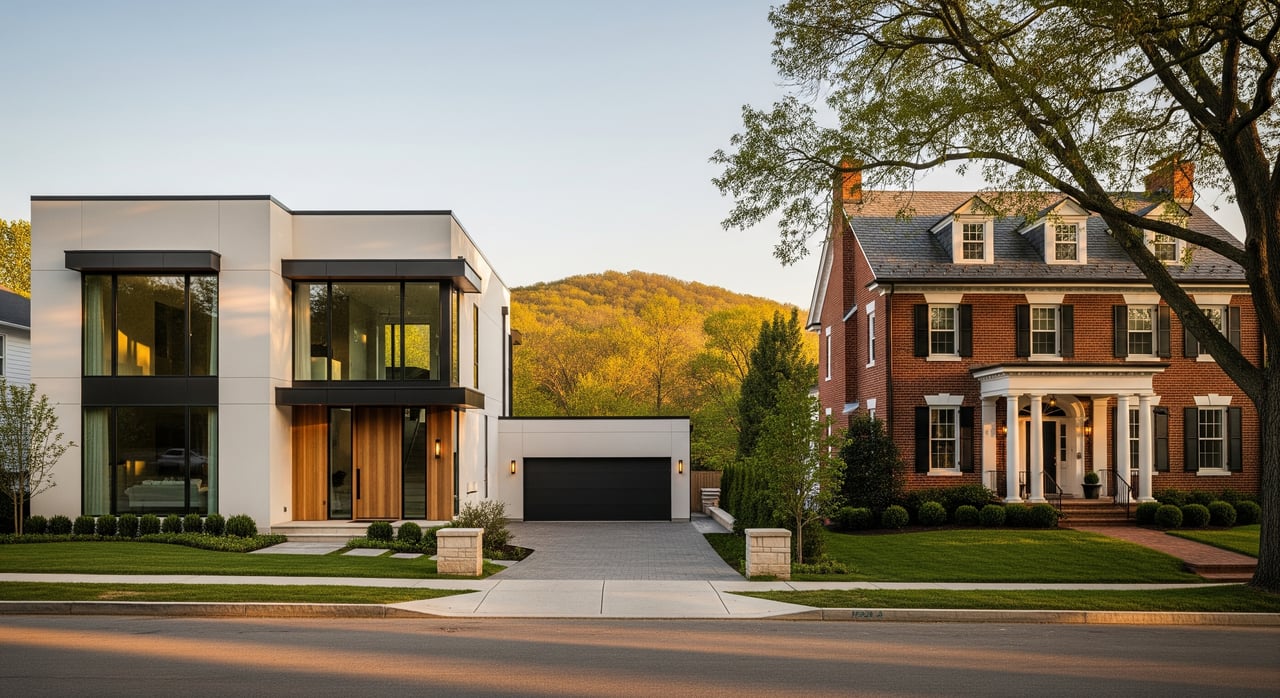
Trying to decide between a brand-new build and a move-in-ready resale in Ashburn? You are not alone. With growing transit access, strong employment, and active development, the choice can feel complex. This guide breaks down timelines, costs, warranties, HOAs, lot selection, and long-term value so you can compare clearly and buy with confidence. Let’s dive in.
Ashburn sits in a high-demand pocket of Loudoun County where tech, federal contracting, and data center activity support steady housing demand. Recent transit expansion, including the Silver Line Metro to Loudoun, has increased interest in areas near stations and major commuter routes. New homes often rise in master-planned communities with amenities, while resales are common in established neighborhoods with mature lots.
These local dynamics influence build timelines, pricing power, and resale potential. Transit access, employment centers, and proximity to Dulles help support demand in both new and established areas. As communities evolve, comparable sales can shift quickly, so it helps to work with local experts who track neighborhood-level trends.
Most new builds follow a predictable sequence: lot selection and contract, permitting, construction, inspections, and closing. If you buy a to-be-built home, the process can take several months or more than a year. Inventory homes shorten the wait, but delivery windows are still estimates and can be affected by weather, labor, materials, and permitting.
The base price rarely tells the whole story. Expect lot premiums and upgrade costs for things like structural options, finishes, and outdoor spaces. Builders sometimes offer incentives such as closing-cost help or rate buydowns. These can soften the price but often vary by market conditions and lender choice.
You can finance with conventional loans, construction-to-permanent loans, and in some cases FHA or VA construction programs if eligible. Appraisals can be sensitive when nearby comps are older or very different. If values are moving fast, consider how appraisal contingencies and lender policies might affect your plan.
Independent inspections are still smart. Many buyers schedule pre-pour, pre-drywall, and final inspections so punch-list items are documented before closing. Builders commonly provide tiered warranties, often one year for workmanship, two years for systems, and longer for structural components. Always review the warranty documents in writing.
Most new communities have HOAs with covenants and amenity plans. Review what fees cover, how they may change, and whether special assessments are possible as amenities come online. Understand architectural controls for exterior changes. Early buyers may see dues evolve as the community matures.
Premium lots with privacy or special features may come with higher prices. Consider the community’s future phases, nearby parcels, and construction activity that may continue for months. New homes often have minimal landscaping at delivery, so plan for tree growth, drainage, and outdoor upgrades over time.
Modern codes, newer systems, and efficient windows and insulation often lead to lower near-term maintenance and stronger energy performance. You may also have options for smart-home features or higher-efficiency systems. Expect to invest in landscaping and exterior maturation in the first few years.
New homes can command an initial premium based on condition and features. As nearby inventory grows, premiums may compress. Long-term performance depends on neighborhood desirability, lot quality, and build quality. Transit access and community amenities can help support demand over time.
Resales typically close in 30 to 60 days once under contract, and timing can be negotiated. With no build process, you reduce delivery risk and can line up a move more predictably.
List prices reflect condition and comps. You may negotiate credits or repairs based on inspections. In tighter markets, sellers may receive multiple offers, so flexibility on terms can matter as much as price.
Plan for a full home inspection and any needed specialty inspections. Older systems like roofs, HVAC, and windows may be near replacement age. Seller disclosures and service records help you estimate post-closing costs and prioritize updates.
Many resale homes sit in established HOAs with a track record of fees and reserves. Others have no HOA, which can provide more flexibility for exterior changes. Review any HOA budgets, reserves, and covenants, along with nearby development plans.
Established neighborhoods often deliver mature landscaping, shade, and finished hardscapes. This can add privacy and reduce near-term yard costs. A site walk can help identify drainage patterns or older retaining walls that need attention.
Some resales need immediate updates or replacements. The upside is the ability to target high-impact improvements in kitchens, baths, or energy upgrades. You can pace these projects over time.
Well-maintained homes in established areas often hold value based on location, lot quality, and neighborhood stability. Transit access and commuter routes can support demand, while shifting comps and new phases nearby may influence pricing.
New construction
Resale
Choose new construction if you value customization, modern systems, and warranties and you can be flexible on timing. Choose resale if you want a faster move, mature landscaping, and the ability to negotiate based on condition. In Ashburn, transit access, employment centers, and community amenities influence both options, so let those priorities guide your shortlist.
If you want a clear comparison based on your budget, timing, and must-haves, let’s talk. With legal-grade negotiation and concierge guidance, Jennifer Jo will help you weigh tradeoffs, line up inspections and documents, and move forward with confidence.
Stay up to date on the latest real estate trends.
October 22, 2026
October 15, 2026
October 8, 2026
October 1, 2026

September 24, 2026
September 17, 2026

September 10, 2026
September 3, 2026
August 27, 2026
Jennifer has an easygoing disposition, making those around her feel instantly comfortable. Professional and personable, Jennifer makes the home-buying or home-selling experience a pleasant one.