Ballston vs Clarendon Arlington Condos: Amenities & Fees
January 1, 2026
January 1, 2026
Trying to choose between a Ballston condo and a Clarendon condo in Arlington? You are not alone. Both neighborhoods deliver great transit access, lively streets, and strong resale demand, but the buildings often feel very different once you dig into amenities and monthly fees. In this guide, you will learn how to compare building features, what typically drives HOA costs up or down, and how to align each neighborhood’s tendencies with your budget and lifestyle. Let’s dive in.
Ballston centers on Ballston Quarter and the Ballston‑MU Metro station. You will find many larger high-rise buildings, full-service concierge setups, and amenities that appeal to commuters and tech corridor professionals. Retail is anchored by Ballston Quarter and along Wilson Blvd, with a more daytime office-oriented profile.
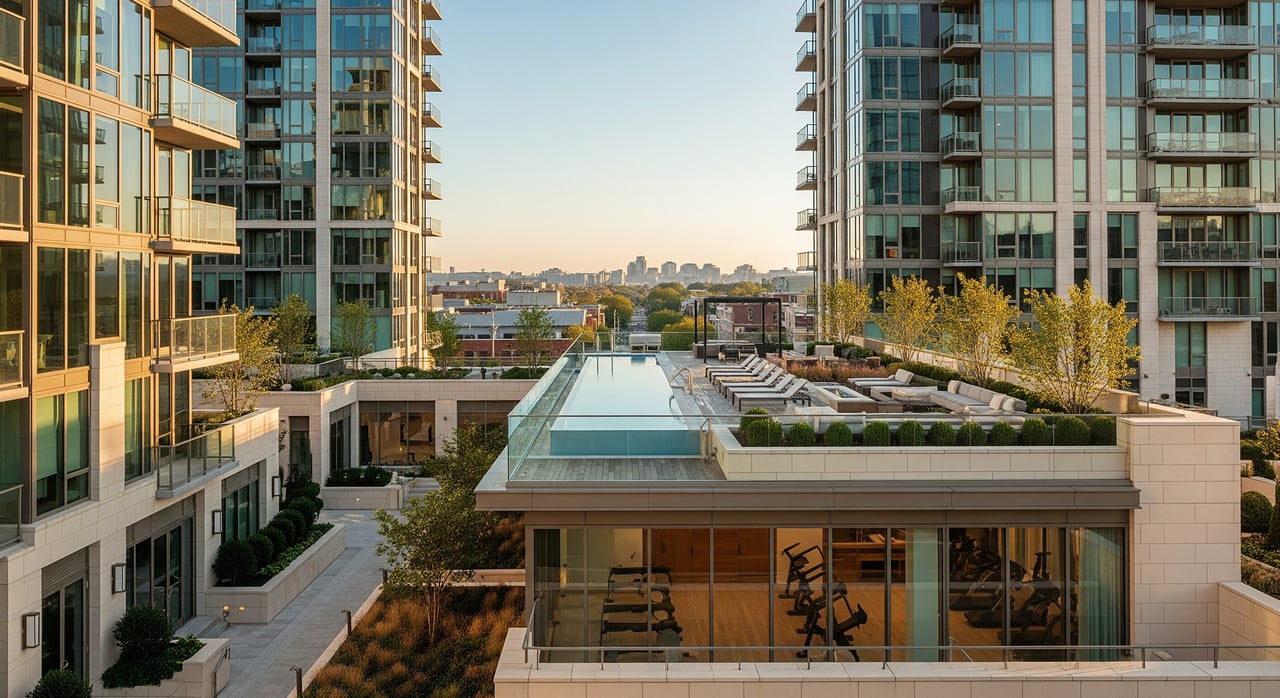
Clarendon clusters around Clarendon Circle and Wilson Blvd. It is a dense, walkable corridor with long-standing dining, boutique shopping, and an active evening scene. Many buildings are mid-rise or converted from older stock, with lifestyle amenities like roof decks and lounges. Newer luxury towers exist too, but the overall mix trends more intimate and pedestrian-oriented.
Both neighborhoods are prized for transit access and walkability. For current Metrorail service information, check the official WMATA resources. For a quick sense of walkability and transit convenience, you can also review Walk Score’s neighborhood metrics.
When you tour buildings, organize your notes by category. This helps you line up lifestyle wants with fee realities.
Clarendon buildings often offer smaller-scale, lifestyle-forward services. Ballston towers more commonly provide full-service concierge and larger operations, which can increase monthly dues.
Pools, large gyms, and 24/7 staffing are among the biggest drivers of higher HOA fees. Clarendon mid-rises may have boutique fitness rooms and shared terraces. Ballston high-rises more often include larger gyms and full pool setups.
Ballston’s larger towers often bundle tech-forward features. Clarendon’s mix skews toward intimate community rooms and roof decks that complement the neighborhood’s dining and nightlife.
Confirm pet details in the building rules. Policies and deposits vary by association and can affect your total monthly cost.
Clarendon’s older mid-rise buildings may have tighter parking or assigned outdoor lots. Ballston towers usually feature larger underground garages and sometimes better EV options. Street parking is limited in both neighborhoods. Review Arlington’s residential permit rules and curb regulations through Arlington County before you rely on street options for guests.
Condo fees fund building operations, staffing, maintenance, insurance, and reserves. Two buildings with similar list prices can produce very different monthly housing costs based on how they structure dues and what they include.
Common inclusions can be:
Always confirm what is included vs. billed separately. A higher-fee building that covers most utilities can cost less overall than a lower-fee building that bills utilities and parking outside the HOA.
Fees scale with staffing levels, amenity scope, and whether utilities and parking are bundled into the dues. Large fitness centers, indoor or lifeguarded pools, and 24/7 front desk coverage materially increase operating costs. Insurance costs can also be higher for amenity-rich buildings.
Ask precisely what is included: water, sewer, gas for cooking, hot water, trash, and internet or cable. Request recent utility averages for a similar unit size so you can model apples-to-apples monthly costs.
A well-funded reserve reduces the risk of special assessments for big-ticket projects like roof or façade work, elevator modernization, and mechanical replacements. Ask for the most recent reserve study, ideally updated every 3–5 years. For best-practice guidance on reserves, see the Community Associations Institute.
Arlington’s condo stock varies widely.
Construction type matters for maintenance cycles. Concrete high-rises often have long-lived structures but can face larger capital projects for façade or systems work. Wood-frame or masonry mid-rises have different maintenance profiles. Review recent projects and planned timelines in the reserve study and meeting minutes.
Both neighborhoods score high for daily convenience, with groceries, restaurants, services, and parks within short walks.
In both areas, plan for limited street parking and confirm guest parking options. You can find county-level rules and programs through Arlington County’s official site.
Create a one-page snapshot for each contender so you can compare side by side:
When you get serious about a building, request:
You can verify property and permit context through Arlington County resources.
Use this quick formula to compare buildings on a true monthly basis:
Total these for each building so you can see the real monthly number. A higher HOA with utilities included can be more cost-effective than a lower HOA with large separate utility bills.
For governance context and owner education, the Community Associations Institute offers practical resources. If you want to dig deeper into local regulations, start with Arlington County and consult the legal framework that governs condominiums in Virginia.
Neither neighborhood is universally better. The right choice is the building that matches how you live and what you want to spend monthly.
If you want a focused short list, I can help you line up apples-to-apples building comparisons, pull the right documents, and model true monthly costs before you write an offer. Let’s build your plan with clarity and confidence. Connect with Jennifer Jo to get started.
Stay up to date on the latest real estate trends.
October 22, 2026
October 15, 2026
October 8, 2026
October 1, 2026
September 24, 2026
September 17, 2026

September 10, 2026
September 3, 2026
August 27, 2026
Jennifer has an easygoing disposition, making those around her feel instantly comfortable. Professional and personable, Jennifer makes the home-buying or home-selling experience a pleasant one.