Reston Association Cluster Fees: A Buyer’s Guide
January 15, 2026
January 15, 2026
Are you seeing Reston Association dues, plus a separate “cluster” or condo fee, and wondering what it all means for your budget? You’re not alone. Buying in Reston often involves layered associations, each with its own rules, services, and costs. In this guide, you’ll learn how RA and cluster fees work, which documents to request, what to look for, and how to time your review during a Virginia closing. Let’s dive in.
Reston Association is a master association that owns and operates community-wide amenities across Reston. Many property owners are required to be members or access RA through their development’s structure. Your agent can confirm whether RA membership applies to the home you’re considering.
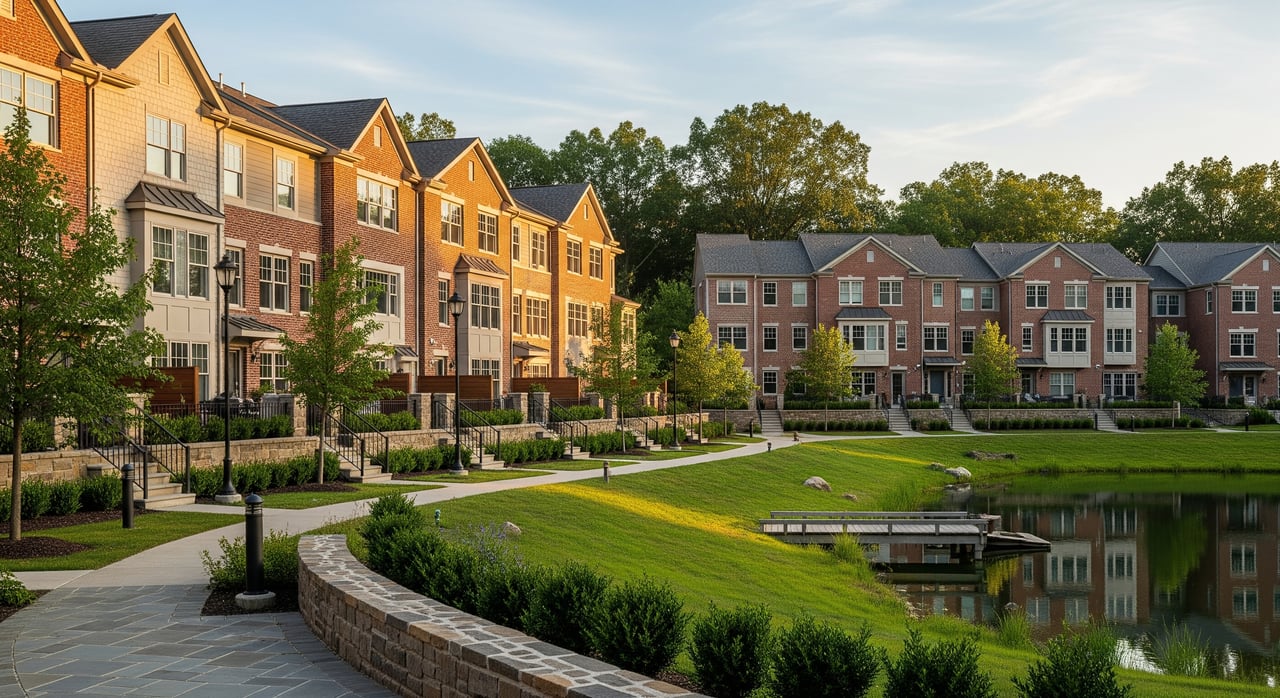
Clusters are smaller neighborhood associations created by developers. They handle local services like landscaping, private streets, and sometimes exterior upkeep for townhomes. Condominiums have their own associations that manage building systems, insurance, and shared spaces.
A single property can have more than one layer of dues. You might see RA membership assessments plus a cluster or condo fee. Always confirm the current amounts and billing schedule with the association.
RA-managed amenities generally include community pools, paved trails, lakes and waterfront areas, community centers, tennis or pickleball courts, and recreation programs. RA also stewards some environmental resources and open space. Your access and passes will depend on the property’s membership status and the association’s procedures.
Clusters usually maintain neighborhood-level assets. That can include entrance landscaping, private playgrounds, parking control, and snow removal on private roads. Some clusters manage small community buildings or a private pool. Services vary widely, so review your cluster’s budget and rules.
Expect multiple fee types across layers:
Amounts and timing vary by development and services provided. Confirm current dues, upcoming increases, and any pending assessments in the resale or estoppel certificate and the budget.
During your contingency window, ask for the full package. Prioritize these items and review them carefully:
Start with the operating budget. Look for rising costs, one-time revenues that mask shortfalls, or repeated deficits. Compare current year numbers to the prior two years if available.
Then focus on the reserve study. This tells you whether long-term capital needs are being funded. Note the percent funded, upcoming projects, and the schedule for big-ticket items. Underfunded reserves and near-term projects can signal a future special assessment.
Rules and Architectural Guidelines govern daily life and exterior changes. Confirm the approval process and timelines for projects you care about, like decks, windows, or solar. Check parking rules, guest pass procedures, pet policies, and amenity use rules.
If you plan to rent, read the exact language on rental restrictions and any short-term rental limits. Make sure the rules align with your plans.
Ask for the master insurance policy summary and certificates. Verify what the policy covers and what it does not. In condos, master policies often cover the building shell and common areas. Owners usually need their own condo or unit policy for interiors and personal property.
Note deductible amounts and who pays them if there is a claim. Review litigation disclosures for any suits that could lead to higher costs or special assessments.
In Virginia, associations typically issue a resale or estoppel certificate for closings. This document confirms dues, arrears, pending assessments, restrictions, violations, and transfer fees. Management companies often charge a fee to prepare it, and timing varies.
Ask your agent to order the resale certificate as soon as the contract is ratified. Early ordering helps you avoid rushed reviews or contingency extensions.
Association review periods often run 7 to 14 days from contract ratification. Many buyers negotiate a 10 to 14 day window for HOA or condo documents. If the association is delayed, request a written extension.
If documents reveal a surprise, you can cancel within the contingency window. You can also negotiate a price reduction or seller credit, ask the seller to resolve violations, or request an escrow holdback at closing. Consult your lender about how any assessment affects your loan approval.
Coordinate with the seller’s agent, the neighborhood management company, and Reston Association if RA membership applies. Confirm how to obtain amenity passes and parking permits where relevant. Keep all requests and responses in writing.
Map your fee layers early so you know your true monthly and annual costs. Order the resale documents right after ratification and block time to review. If you see red flags, act within your contingency to protect your budget and plans.
If you want a clear plan for your specific Reston home, reach out for concierge guidance through documents, deadlines, and negotiations. Connect with Jennifer Jo to get started.
Stay up to date on the latest real estate trends.
October 8, 2026
October 1, 2026

September 24, 2026
September 17, 2026

September 10, 2026
September 3, 2026
August 27, 2026
August 20, 2026
August 13, 2026
Jennifer has an easygoing disposition, making those around her feel instantly comfortable. Professional and personable, Jennifer makes the home-buying or home-selling experience a pleasant one.