Buying an Estate Home in Great Falls: Key Considerations
May 7, 2026
May 7, 2026
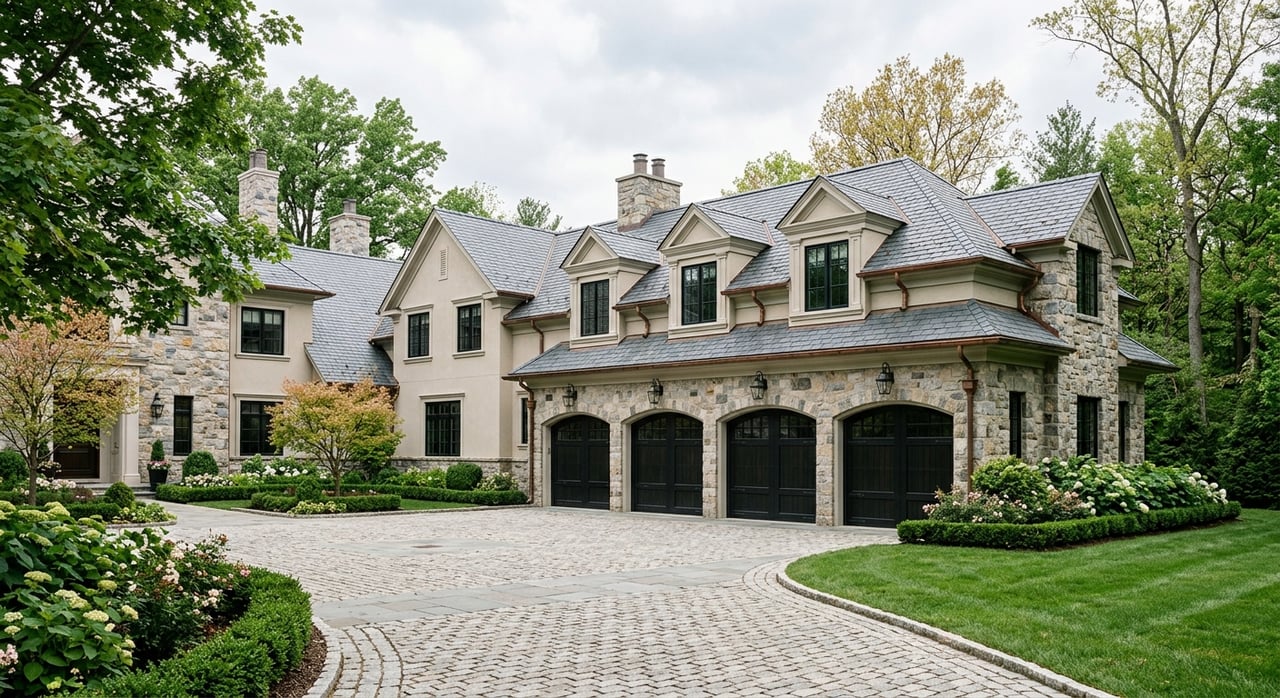
Buying an estate home in Great Falls can be exciting, but it also comes with more moving parts than a typical suburban purchase. You may be looking for privacy, land, and a home that feels like a retreat, yet those same features can create extra due diligence before you commit. If you understand what to review early, you can make a more confident decision and avoid surprises later. Let’s dive in.
Great Falls draws buyers who want space, scenery, and a more outdoors-oriented lifestyle. The area is closely tied to parkland, trails, and natural features, including Great Falls Park and Fairfax County trail assets such as Turner Farm and Difficult Run Stream Valley. That setting is part of the appeal, but it also means the property itself often plays a bigger role in your day-to-day ownership experience.
With an estate property, you are not just buying the house. You are also buying the lot, the trees, the drainage patterns, the access, and sometimes private utility systems that need regular attention. In Great Falls, that makes site-level due diligence just as important as the home inspection.
One of the biggest mistakes buyers can make is assuming every Great Falls estate home is connected like a standard subdivision resale. In Fairfax County, residential drinking water may come from either a public water provider or a private well. Wastewater may also go to public sewer or to a septic system.
That means you should confirm the setup for the exact parcel early in the process. Fairfax County notes that about 12,750 groundwater wells supply their owners countywide, so private systems are not unusual. Still, you do not want to make assumptions about water, sewer, or maintenance responsibilities before writing an offer or removing contingencies.
These answers can shape both your monthly carrying costs and your inspection plan.
Estate homes often come with higher ownership costs, and not all of them are obvious during a showing. In Fairfax County, the base real estate tax rate is $1.1225 per $100 of assessed value, and parcel-specific tax districts and fees can also apply. The county states that annual assessments are effective January 1, so it is smart to review the specific parcel rather than estimate from a general countywide figure.
Large lots can also mean more upkeep. Roof runoff, long driveways, paved surfaces, trees, grading, and drainage all affect maintenance needs over time. Fairfax County explains that stormwater runoff from roofs, driveways, roads, and other paved surfaces can carry pollutants, while trees and forest cover help absorb water and reduce runoff.
On an estate property, that turns drainage and exterior maintenance into practical budget items, not cosmetic details. You may need to plan for tree work, gutter and downspout maintenance, driveway repairs, and site drainage improvements depending on the property.
Private systems can change your ownership costs in a meaningful way. The Virginia Department of Health says that all aspects of private well operation and maintenance are the owner’s responsibility. Fairfax County also notes that septic tanks need regular pumping.
In real terms, that means you should budget for recurring water testing, pumping, service visits, and any treatment equipment the property may use. These costs are part of the real monthly picture, even if they do not appear in the initial listing details.
Timing matters on an estate-home purchase, especially if the property has private systems. The Virginia Department of Health does not require a transfer inspection when a property is bought or sold, but it recommends that buyers have an onsite sewage system inspected by a licensed professional. It also recommends doing that inspection as soon as possible, preferably several weeks before closing.
That early timing is important because major septic issues can take time to resolve. Design work, permits, licensed repairs, and a new operations permit may all be required, and those steps can take weeks. If you wait too long, the closing timeline may become much harder to manage.
For many Great Falls estate purchases, it helps to think beyond the standard home inspection and build a more complete due diligence plan. Depending on the property, that may include:
This is one area where careful coordination makes a real difference. Specialty inspections often need to be scheduled early so you have enough time to review results, request follow-up work, and make informed decisions.
If the home relies on a private well, do not assume the water quality has already been reviewed for your benefit. The Virginia Department of Health says it does not test wells itself, and water testing tied to a home purchase is not required by VDH, though a lender may require it.
Even when it is not required, VDH suggests that prospective buyers test for basic indicators, bacteria, and radiological concerns. That guidance is especially useful in a market where private wells are part of the ownership landscape. Testing early gives you better information before settlement and helps you understand whether any treatment or maintenance needs may be ahead.
A septic system is easy to overlook if you are focused on finishes, square footage, and lot size. But from a risk-management standpoint, it deserves early attention. The Virginia Department of Health recommends that buyers of homes with onsite sewage systems have them inspected by a licensed professional as soon as possible.
You should also ask for septic permits, maintenance logs, and any records that help explain the system’s history. VDH notes that if an onsite system crosses a property boundary, buyers should check whether an easement was recorded. That is the kind of detail you want to catch before closing, not after.
Estate lots often have more complex site conditions than a smaller resale property. That is why it makes sense to review both the structure and the land before removing contingencies.
Radon testing is one standard step. EPA advises homebuyers and sellers to test for radon and recommends fixing a home when radon levels are at or above 4 pCi/L. While radon is not unique to Great Falls, testing is a practical part of a thorough purchase plan.
Flood and drainage review matter too. Fairfax County offers official GIS map tools for parcels and zoning, and FEMA provides official flood-hazard mapping products. For a large lot, drainage patterns, mapped floodplain areas, and site access should be reviewed early, since these factors can affect both use and future maintenance.
A beautiful estate home still needs to fit your everyday life. Fairfax County’s commuter resources highlight Metrorail, Virginia Railway Express, Fairfax Connector buses, commuter parking garages, and free park-and-ride lots. The county also advises commuters to account for direct costs like tolls, fares, parking, and gas, along with indirect costs such as traffic, time, and vehicle wear.
For Great Falls buyers, commute planning should be part of the home search from the beginning. A property may check every box on privacy and lot size, but if the daily logistics do not work for your household, the fit may not be as strong as it first appears.
These practical questions can help narrow your search and keep your priorities clear.
A Great Falls estate purchase often requires more than showing homes and writing an offer. When private systems, parcel-level questions, and specialty inspections enter the picture, the value of strong transaction management becomes much more obvious.
The most useful support is often operational. That can include identifying the right inspectors, getting them scheduled early, keeping lender and title timelines aligned, and helping you sort out which issues are negotiable, which are timing concerns, and which need specialist review before closing can move forward.
That kind of detail matters even more when a septic issue or site-related concern could take weeks to address. In a more complex purchase, good guidance helps you stay organized, protect your timelines, and make decisions with better information.
If you are considering an estate home in Great Falls, the goal is not to make the process feel intimidating. It is to approach it with the right checklist, the right timing, and the right advocate in your corner. When you do that, you can focus on the opportunities of the property while managing the risks with confidence.
If you want a careful, concierge-level approach to buying in Great Falls, Jennifer Jo can help you evaluate the property, coordinate the moving pieces, and navigate the process with clarity.
Stay up to date on the latest real estate trends.

October 15, 2026
October 8, 2026
October 1, 2026

September 24, 2026
September 17, 2026

September 10, 2026
September 3, 2026

August 27, 2026
August 20, 2026
Jennifer has an easygoing disposition, making those around her feel instantly comfortable. Professional and personable, Jennifer makes the home-buying or home-selling experience a pleasant one.